
The Real Cost of a Missed Call for a Plumbing or HVAC Business
You're under a sink, the phone rings, and the caller doesn't wait for a callback. Here's what that's actually costing you.

The Sauce Sites Blog
Practical advice on websites, local SEO, and getting more leads. Written for service professionals by the team at Sauce Sites.
You're under a sink, the phone rings, and the caller doesn't wait for a callback. Here's what that's actually costing you.

Most of what gets written about this is too vague to act on, or written for a web developer, not you. Here's the real process, start to finish.

Plenty of tradespeople get calls from their free Google listing and wonder if a website is worth it. Here's what each one actually does, and what you lose by relying on just one.

A homeowner decides you're legitimate in about three seconds, before they've read a word. These 10 mistakes are what's quietly costing you that first impression.
Before anyone calls you, they type something into Google first. Here's what your customers are actually searching, and how to answer it before the phone rings.

Most homeowners are searching with a phone in their hand, not sitting at a desk. If your site was only ever checked on a laptop, you probably haven't seen the problem.
"It looks a bit dated" isn't the real problem. These seven things actually make someone leave without calling.
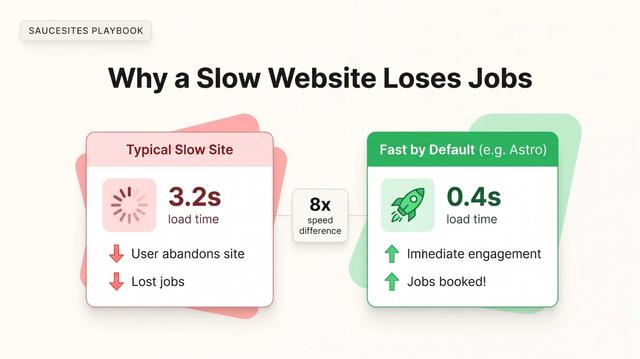
Three seconds. That's about how long someone standing outside with a dripping pipe will wait for your website before they hit back and call the next name.
Two contractors, same price, same availability. One gets the call. Here's what actually decides it, and it's almost never the thing you'd guess.
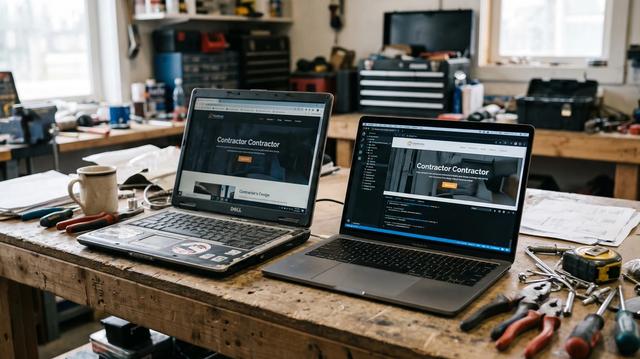
Not every tired-looking website needs to be torn down. Here's how to tell which one you actually have.
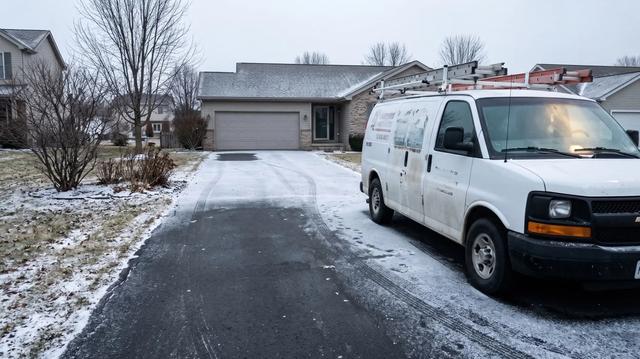
Your truck and your payroll cost the same in a dead month as a busy one. Here's how to stop that month from being a pure loss.
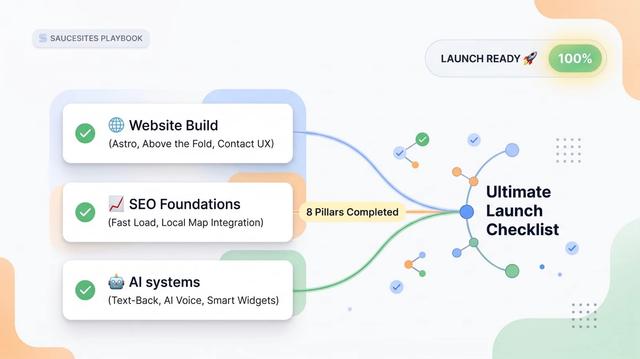
Run down this list once before you launch or relaunch. Skip a line and you'll find out which one the hard way, from a homeowner who called your competitor instead.
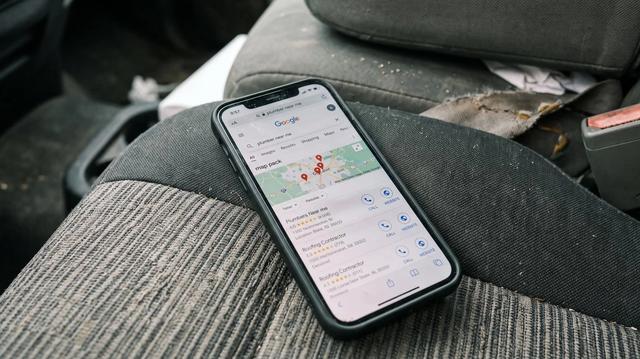
When a homeowner searches "plumber near me," Google decides who gets the call. These nine things decide whether that's you or your competitor.
You post on Facebook. Your competitor has a website. Guess who shows up when someone searches "plumber near me" tonight.
Most website companies look the same from the outside. Here's how to tell which ones will get you more calls, and which ones leave you stuck.

Could be Google, could be the truck, could be a flyer from two years ago. Here's how to actually find out.
Three different tools built for three different sizes of business. Here's which one actually fits yours.

You don't even know who has the login. Here's how to get your website back, step by step.

Two businesses, same website, same reviews. One ranks higher, partly because Google sees it mentioned consistently elsewhere, and the other it doesn't.

Most contractors ask for reviews exactly once: right after the best jobs, when they remember to. That's not a system. That's luck.
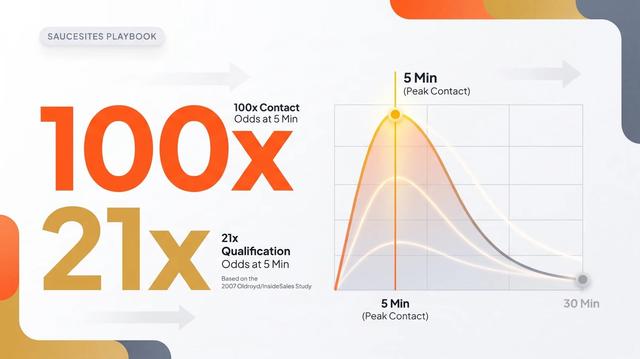
A homeowner's water heater just died. They call three plumbers. Whoever picks up first gets the job, not whoever has the better reviews.
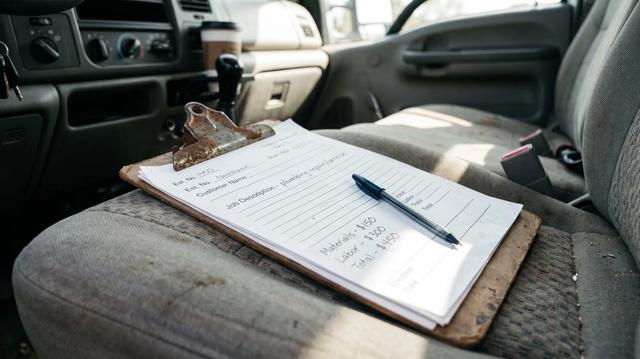
Half your calls are people shopping around. Here's how to get the call after they've already decided to trust you.
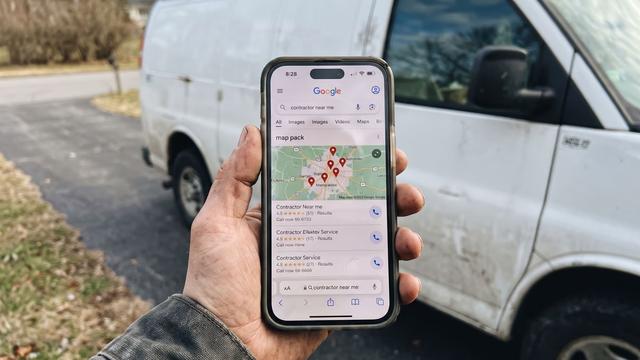
Ranking #1 locally isn't one trick. It's four unglamorous things, done consistently, that almost nobody actually finishes.
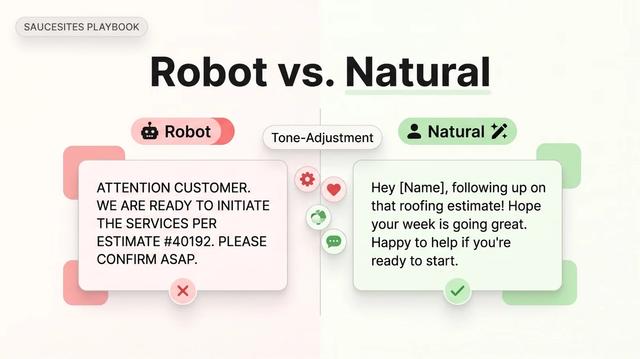
Nobody wants to read an email that starts with "I hope this message finds you well." That's the line AI writes when you don't tell it not to.

One extra service call usually covers a website for months. Here's how to actually run the numbers before you spend anything.
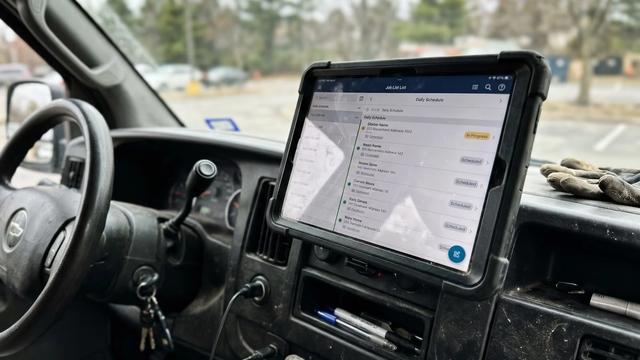
You don't need field service software until you do, and then you need it yesterday. Here are the 10 worth knowing, and which ones to skip.
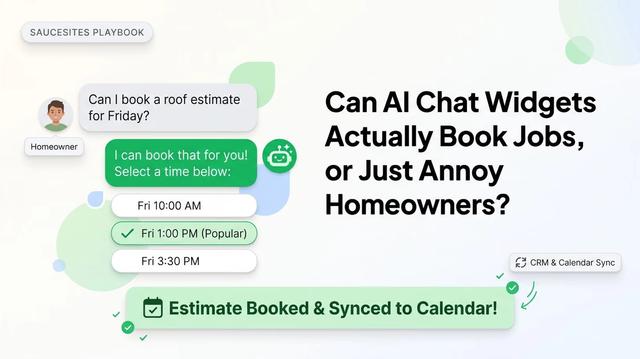
A chat bubble pops up before you've read a word on the page. That's most AI chat widgets doing it wrong, not AI chat being a bad idea.
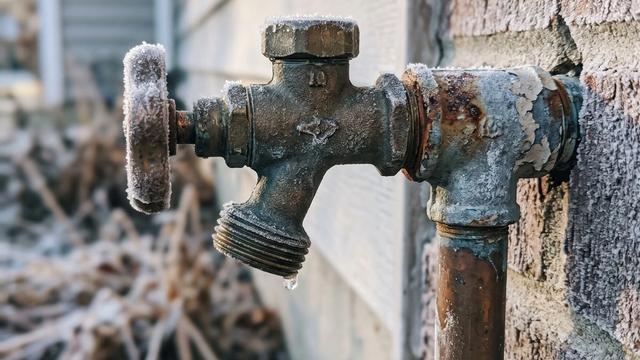
Frozen pipe calls spike the moment temperatures drop. Most plumbers have no page ready for it, and start the season from zero.
Ask ten contractors and you'll get five yeses, four nos, and one "depends." Here's the actual answer, not the vibes-based one.
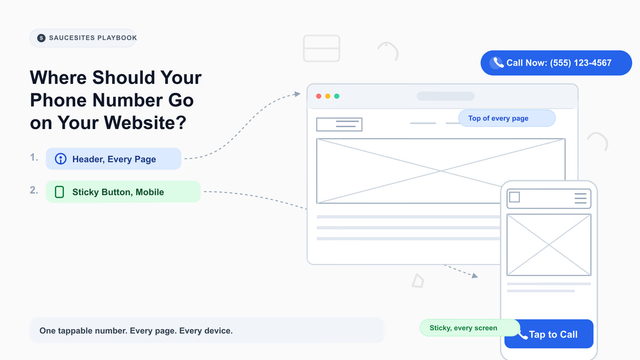
Plenty of contractor websites have a phone number. It's just buried on a Contact page, three clicks deep, which is one click too many for someone with a dead furnace.
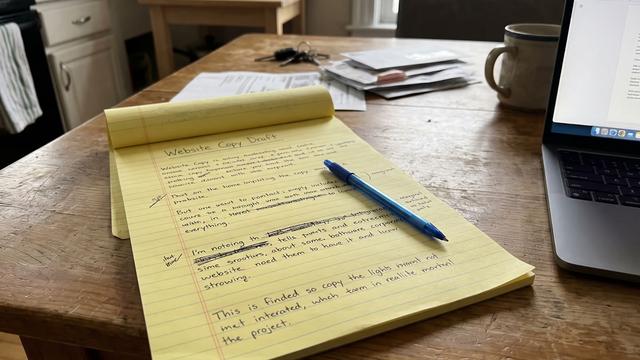
Most contractor websites read like they were written by the same person. "Quality service since 1995." None of it makes anyone pick up the phone.
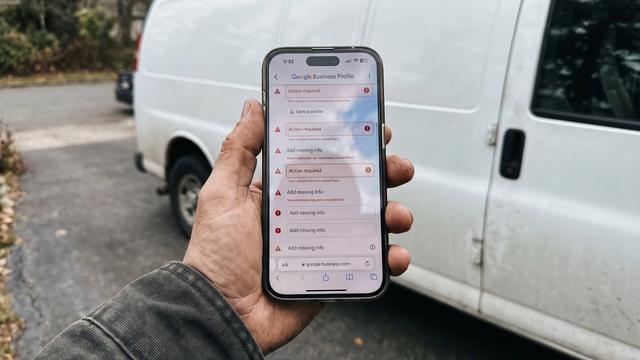
Most contractors don't lose calls because their work is bad. They lose calls because Google quietly ranks them below someone worse, for reasons that have nothing to do with the job.
The real fear isn't the new site. It's losing what you've already built in search.
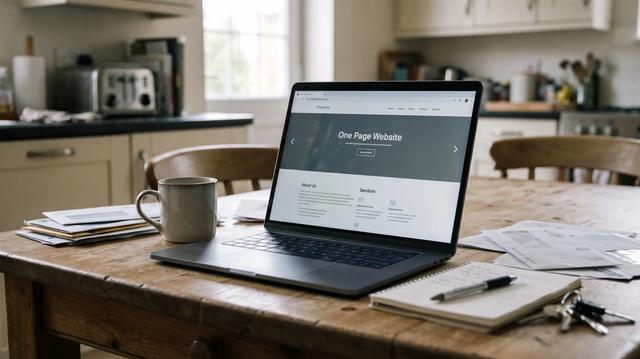
One owner asks for a single page. Another wants ten. Both can be right, depending on what you sell and where you sell it.

Five people, five different prices. Here's what a website actually costs for a small service business, including the costs nobody puts on the quote.

Your truck drives past a few hundred homes a day. You have no idea if any of them notice. A five-dollar sticker fixes that.
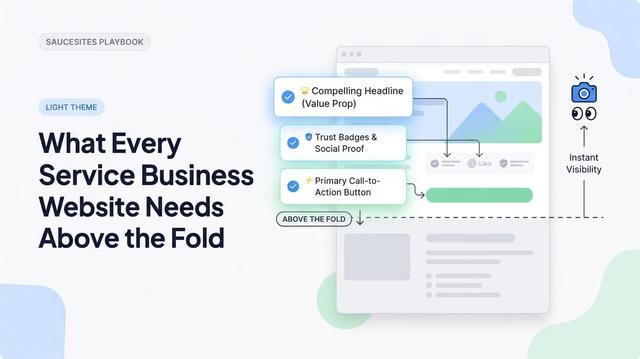
Above the fold is the only part of your website everyone actually sees. Scrolling is optional. This part isn't.
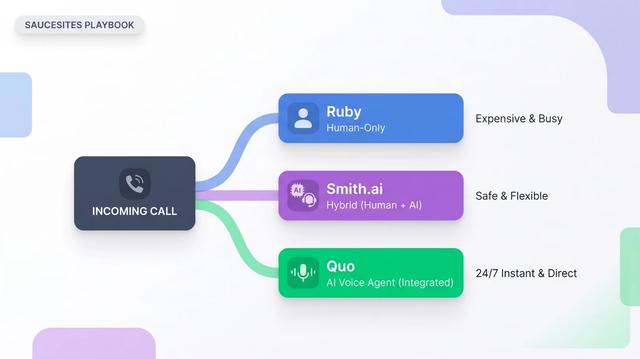
You're on a roof with your phone in the truck. By the time you check it, there's a voicemail nobody will ever listen to. Here's what actually picks up instead.
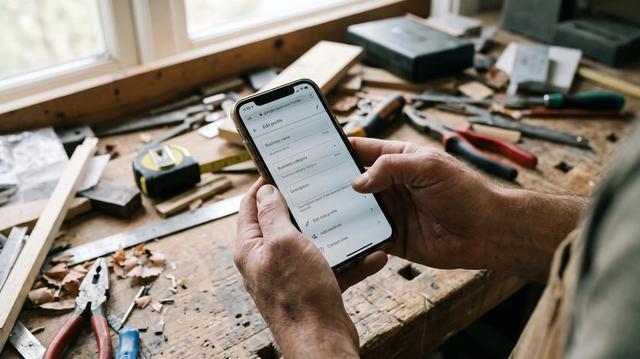
Most contractors fill in a name and phone number, then stop. Here are the 12 fields that actually move you up the map results.
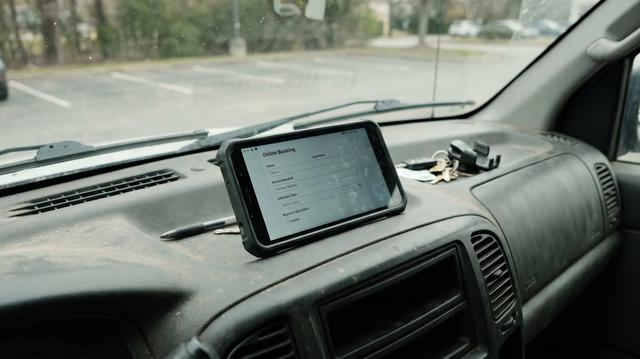
Not everyone will wait for a callback. A booking form catches the ones who won't.
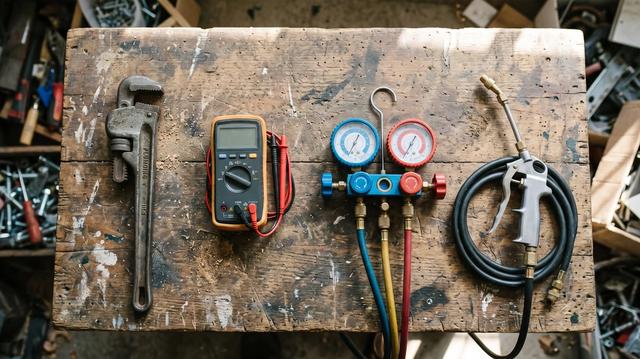
The pricing options don't change much by trade. What the site actually needs to say does.
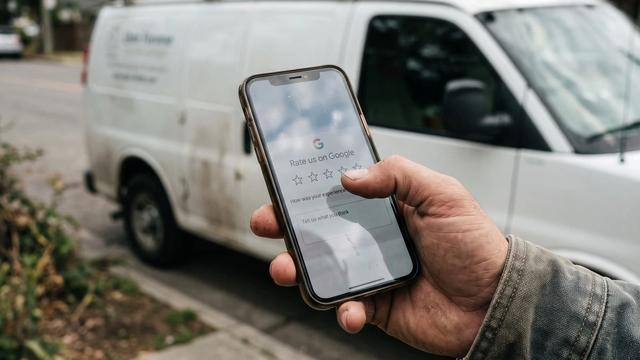
Your reviews are better. You're still losing the call. Here's the gap that's actually costing you the job.
The price per lead isn't the real number. Here's the math nobody shows you before you sign up.
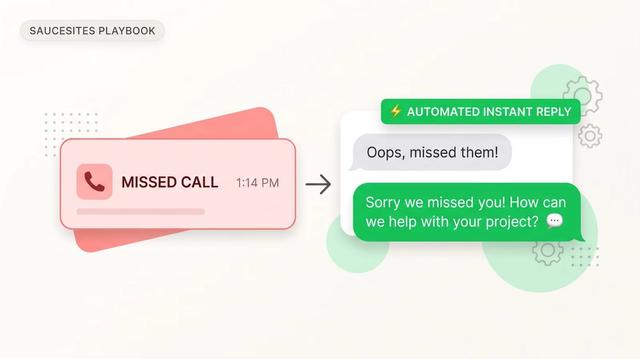
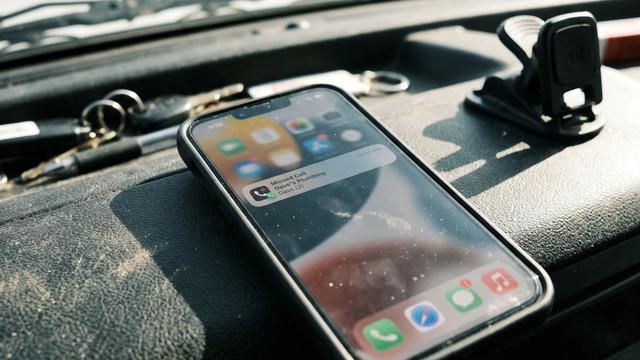
You're elbow-deep in a water heater. Your phone buzzes, goes to voicemail, and the caller never leaves one. A text shows up on their screen anyway. That's the whole tool.
You don't need a $300-a-month platform to run a one-truck business well. Here are 10 tools, most of them free, that cover the same ground.
Nothing matches. Clear the filter or try a different search.